
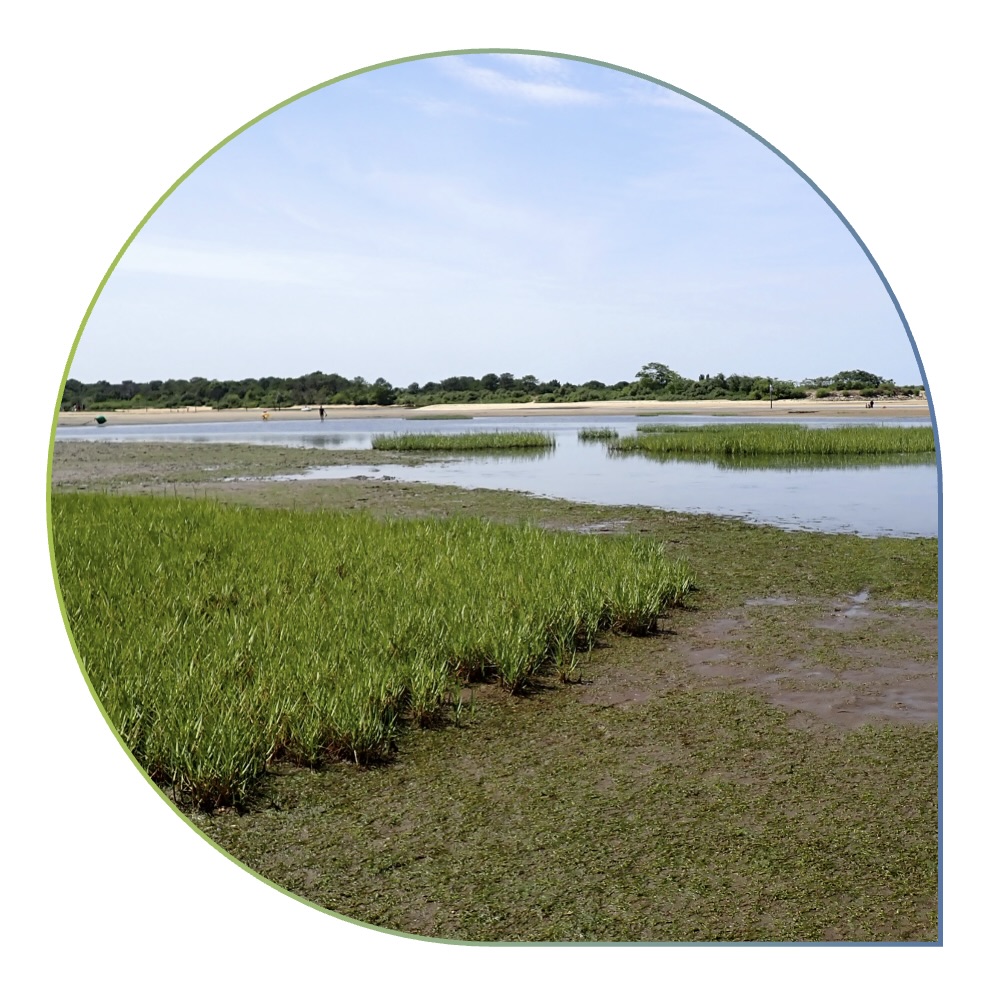
Seascape Restoration
Seascape restoration focusses on the restoration of the mosaic of habitats occupying the coastal environment across time and space that are ecologically and physically connected via water through which living organisms (e.g., phytoplankton, larvae, fish), genetic material (e.g., seeds, spores, and gametes), non-living matter (e.g., sediment, carbon, nutrients, pollutants) and energy flow.
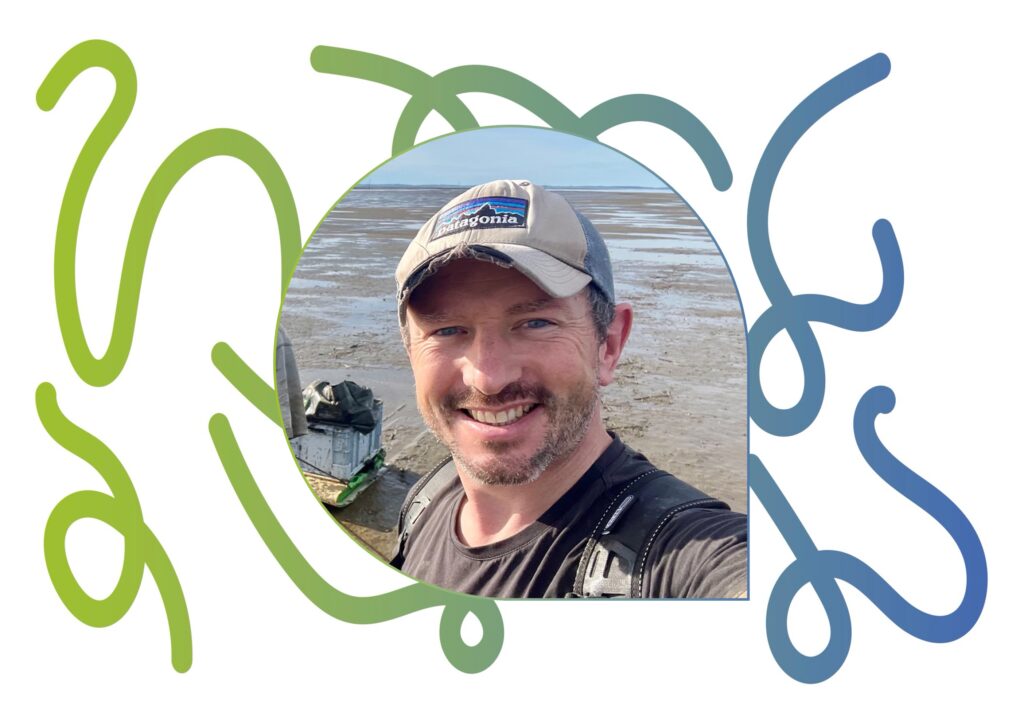
Dr Richard Lilley

Network Coordinator
Background
During the 2nd European Seagrass Restoration Workshop Prof. Dr. Lisa Wedding presented a consistent language and framework for marine restoration practitioners, and Prof. Dr. Joanne Preston presented a definition of the temperate coastal seascape.
Following ESRW2, a ESRA Seascape Restoration Working Group was established to support the implementation of the recommendations identified, and to try to represent the ESRA community at public forums alongside sister regional marine restoration alliances (e.g. NORA) and restoration communities (e.g. Society for Ecological Restoration Europe Chapter).
- Implement whole-site management approaches that consider activities across ecosystems in the seascape, not just across individual protected features.
- Promote collaboration and the use of a consistent language and framework for marine restoration practitioners.
- Advocate for the recognition of the potential impact of degraded baselines on nature protection targets, utilising historical and scientific data (e.g., ecological connectivity and climate forecasting) to inform restoration targets where ecosystems have collapsed.
- Construct appropriate targets for nature protections that account for what is required to restore ecosystem functionality and deliver resilience (via ecosystem services) for future climate scenarios.


In addition to establishing a consistent language and framework for marine restoration practitioners, Wedding et al. (2025) recommended four key operational pathways:
(1) focusing on the recovery of interconnected habitats across the land–sea interface;
(2) integrating the 5Cs from site selection through to monitoring;
(3) representing social, historical, cultural, and ecological variables when assessing site suitability; and
(4) fostering transdisciplinary collaborations to support integrative, multifaceted projects.
Defining the temperate coastal seascape (Preston et al.2025):
“The mosaic of habitats occupying the coastal environment across time and space that are ecologically and physically connected via water through which living organisms (e.g., phytoplankton, larvae, fish), genetic material (e.g., seeds, spores, and gametes), non-living matter (e.g., sediment, carbon, nutrients, pollutants) and energy flow. This connectivity operates at scales of metres to kilometres and extends from the intertidal zone to the shallow coastal shelf seas. The coastal seascape therefore, acts as a dynamic boundary, where social, marine, terrestrial and atmospheric processes interact, and offers an opportunity to restore and enhance coastal ecosystem integrity and resilience for the benefit of people and planet”
Alliance Actions


Bassin d’Arcachon Case Study
At the 2nd European Seagrass Restoration Workshop we also had a presentation from Dr Guillaume Bernard from Ifremer station d’Arcachon which addressed some of the challenges and opportunities for Seascape restoration in the Bassin d’Arcachon.
Seascape Connectivity Modelling
At the 2nd European Seagrass Restoration Workshop we also had Seascape Connectivity Modelling Workshop from Courtney Stuart of the Oxford Seascape Ecology Lab and Dr Kasper Meijer from the Marine Conservation Ecology group at Rijksuniversiteit Groningen.


NORA 6
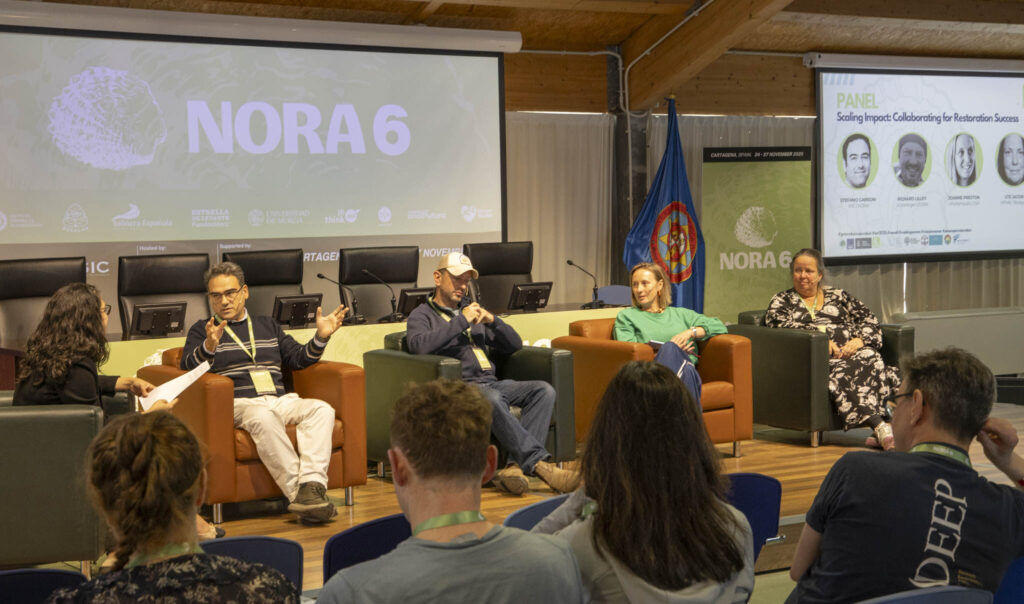
On Wednesday 26th November 2025 Prof. Dr. Joanne Preston and Dr. Richard Lilley were on the PANEL: Scaling Impact: Collaborating for Restoration Success at NORA6, coordinated by the Society for Ecological Restoration Europe Chapter.
Oxford University OPEN Fellowship (OPEN 2024/25_2410-OPEN-985): Advancing Multi-Habitat Restoration in the Bassin d’Arcachon Marine Nature Park
Wedding, L. M., C. E. Stuart, L. L. Govers, R. J. Lilley, A. Olds, J. Preston, L. E. Tavasi, and S. J. Pittman. “Five ways seascape ecology can help to achieve marine restoration goals.” Landscape Ecology 40, no. 6 (2025): 1-19. https://doi.org/10.1007/s10980-025-02099-9
Stuart, C. E., R. J. Lilley, Fauvel T., and L. M. Wedding. “Seascape Restoration in the Bassin d’Arcachon.” Available at https://arcg.is/aieab0
Wedding, L. M., C. E. Stuart, R. J. Lilley, J. Preston, and S. J. Pittman. “Policy Brief: Five Ways Seascape Ecology Can Help to Achieve Marine Restoration Goals.” Available at https://tinyurl.com/5CsPolicyBriefPDF
Hills, S. H., C. E. Stuart, R. J. Lilley, and L. M. Wedding. “Theory of Change: Advancing Multi-Habitat Restoration in the Parc Naturel Marine du Bassin d’Arcachon (PNMBA).” Available at https://tinyurl.com/ArcachonTheoryOfChange